
Huntington Park City Directory Shelf and Coverage
The Huntington Park Library is the documented local starting point. Its catalog and reference service can show whether a volume is local, licensed, or held elsewhere. Official crawlable results did not expose an authenticated publisher and year run. Ask for the exact title, publisher, inclusive years, reverse section, and call number before a trip.
| Collection | Years | Where Held | Access |
|---|---|---|---|
| Huntington Park and Los Angeles suburban city directories | Exact run not verified | LA County Library; California State Library History Room; FamilySearch lead | Shelf check and call number |
| Reverse or criss-cross directories | Local year run not verified | LA County Library and California State Library staff | Confirm in person |
| Federal population schedules | 1910-1950 public; 1960 scheduled for 2032 | NARA, partner databases, library | Online or library access |
| Huntington Park newsletters and newspapers | Newsletters in City Archive; newspaper years need a catalog check | City Archive; LA County Library catalog | Free archive search; catalog check |
| Sanborn fire-insurance maps | Huntington Park sheet years not verified | Library of Congress collection; map rooms | Digital browse; repository check |
| County deeds and probate files | Deeds from 1850; court archive chiefly 1910-2004 | LA County RR/CC; LASC Archives | Counter, request, or terminal |
The exact local publisher, digitized run, reverse year range, obituary index, and Huntington Park Sanborn sheet years were not located. City newsletters are a real archive lead; newspaper titles and years need catalog confirmation. FamilySearch and historical-society captures are leads, not verified local holdings.
Decoding a Huntington Park City Directory Entry
Read the front matter first. The title page gives the volume, year, publisher, scope, and edition; the abbreviation key explains symbols and short forms. No authenticated local named entry was available, so these common Polk-style fields must be verified in the actual Huntington Park volume.
| Name | Surname followed by given name or initial, with spelling copied exactly. |
|---|---|
| Spouse or widow mark | A spouse may appear in parentheses; a widow notation can add a useful clue. |
| Occupation or business | Use the wording printed in the book and do not expand an unclear abbreviation. |
| Residence | An address marked “r” commonly signals the residence line; verify the key. |
| Business address | A “b” or similar mark may point to a business address rather than a home. |
| Owner or householder mark | Record the symbol and its definition; it is a clue, not proof of who occupied a place. |
| Cross-reference | Follow “see” entries, alternate names, and street references when the key directs you. |
A criss-cross section reverses name order by street or address. A householder index may isolate the listed householder. The abbreviation key is the volume's rule sheet, so copy it before an entry or database view.
- Criss-cross section
- Address order that holds a street location steady while names change.
- Householder index
- Name aid for the listed householder; confirm the volume's scope.
- Abbreviation key
- Publisher guide to symbols, street forms, occupations, and short entries.
Trace Huntington Park Families Through City Directories
Start with a known census-year household. Use 1910, 1920, 1930, 1940, or 1950 as an anchor, search the nearest directory before and after, and record spelling, initials, spouse, address, and symbols. Follow annual entries when they exist; mark gaps when they do not.
- Copy identifying details from one census household.
- Request directories before and after the census year, including a reverse section.
- Note initials, spouse marks, street number, and spelling across volumes.
- Hold the address steady in the criss-cross section and compare names.
- Test the conclusion with a deed, voter-qualified record, obituary, probate file, or later census.
A disappearance may mean death, relocation, marriage or name change, or publication lag. A new name may be a relative or a different person. Treat the directory as a lead, then use the Huntington Park resident search as a separate modern check with the historical citation beside it.
Huntington Park Library and City Directories
Huntington Park Library was founded in 1913 in City Hall, moved into larger quarters in 1924 and 1931, and later moved into the Civic Center building dedicated in 1970. Early material may be cataloged as a Los Angeles suburban directory, telephone directory, or newspaper resource.
The Huntington Park Library branch page links to the catalog, research databases, and Email a Librarian. Ask for a shelf check, exact title, publisher, years, reverse section, and call number. Search “Huntington Park (Calif.)--Directories” and “Los Angeles County--Directories,” then add telephone directories, yearbooks, and newspapers.
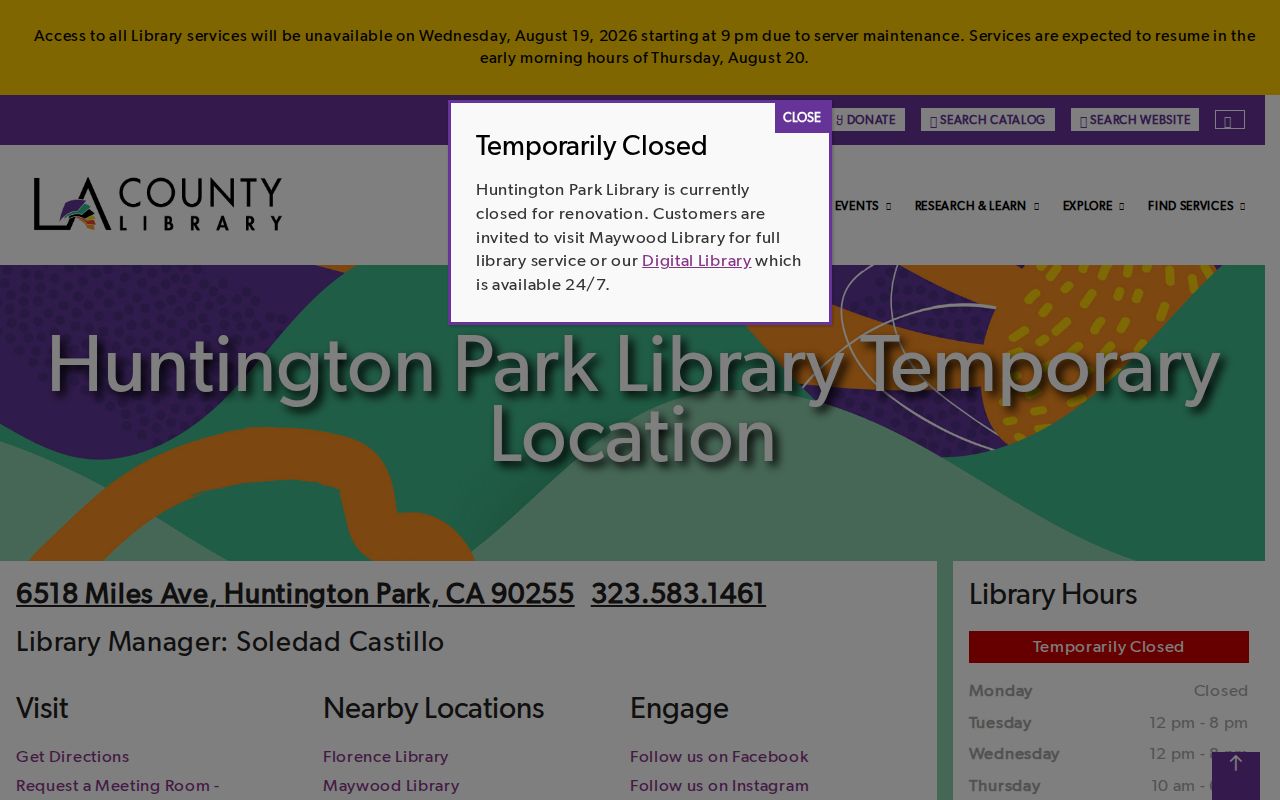
The branch page is a service gateway, not proof of a particular volume. Wait for a catalog or reference response before calling a publisher, year span, or digitized run verified.
The Huntington Park City Archive holds newsletters, English and Spanish council agendas and minutes, registers, and commission records. Category, date, and text search can lead to names, addresses, and civic events. These files add context, but do not replace a city directory entry.
La Park in Huntington Park Directory Searches
Early catalog work should not end with the present city name. La Park was retained by the post office before incorporation, and Huntington Park emerged in connection with Pacific Electric plans in 1902. Add Rancho San Antonio, Sunrise Tract, San Antonio Township, and Los Angeles suburbs. A family or street may appear under an older tract or township heading.
Spanish-language archives and older indexes may use two surnames, diacritics, a different surname order, a maiden name, or a shortened middle name. Search with and without accents, test both surname orders, and retain the printed form. A shared surname is not enough; compare address, spouse notation, age, census household, and a second source.
“La Park” is a useful quirk, not a confirmed publisher label. Ask a cataloger to test it when a Huntington Park city directory search comes up empty.
Huntington Park Directories Between Census Years
Federal schedules from 1910 through 1950 are publicly available. The 1960 schedule is scheduled for release in 2032 under the 72-year rule, through NARA, partner databases, and library services. A census is one snapshot; a city directory may sit between snapshots and add an address or spouse clue. Neither source proves every move.
- 1910-1950: Use public federal schedules as dated household anchors.
- Between snapshots: Search the nearest verified city directory and record title and year.
- 2032: Note that the 1960 schedule is not yet public under the release rule.
- Repository check: Use NARA, a partner database, or library access and cite the schedule.
- Cross-check: Compare the census line with a deed, newspaper, probate file, or later census.
The Census Bureau's decennial summary-files guide provides official access context. Use it alongside the schedule or image containing the household evidence, not as a substitute for that source.
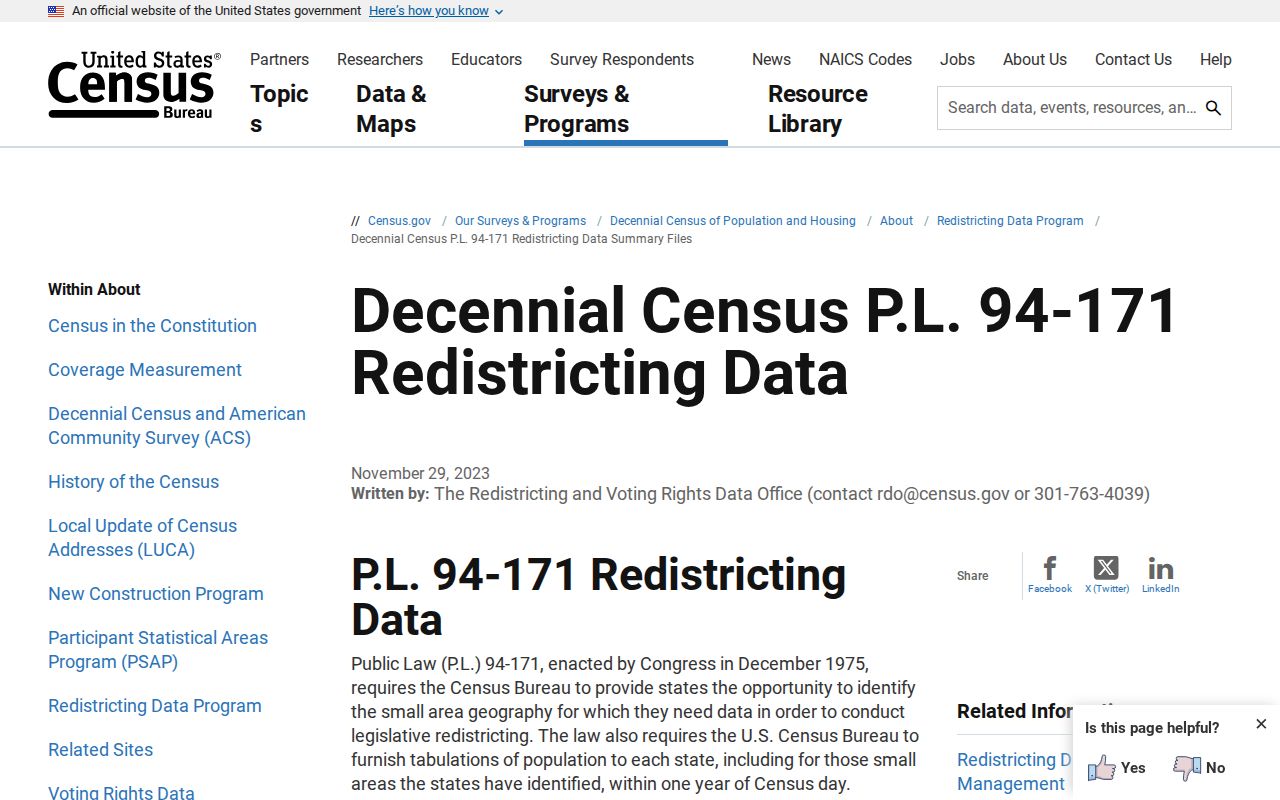
This reference sets the release boundary. Keep the directory citation separate because the two sources answer different questions.
The National Archives census research page covers schedule custody and the 72-year rule. When a partner database supplies an image, cite the original schedule, year, place, and page or line as well as the database.
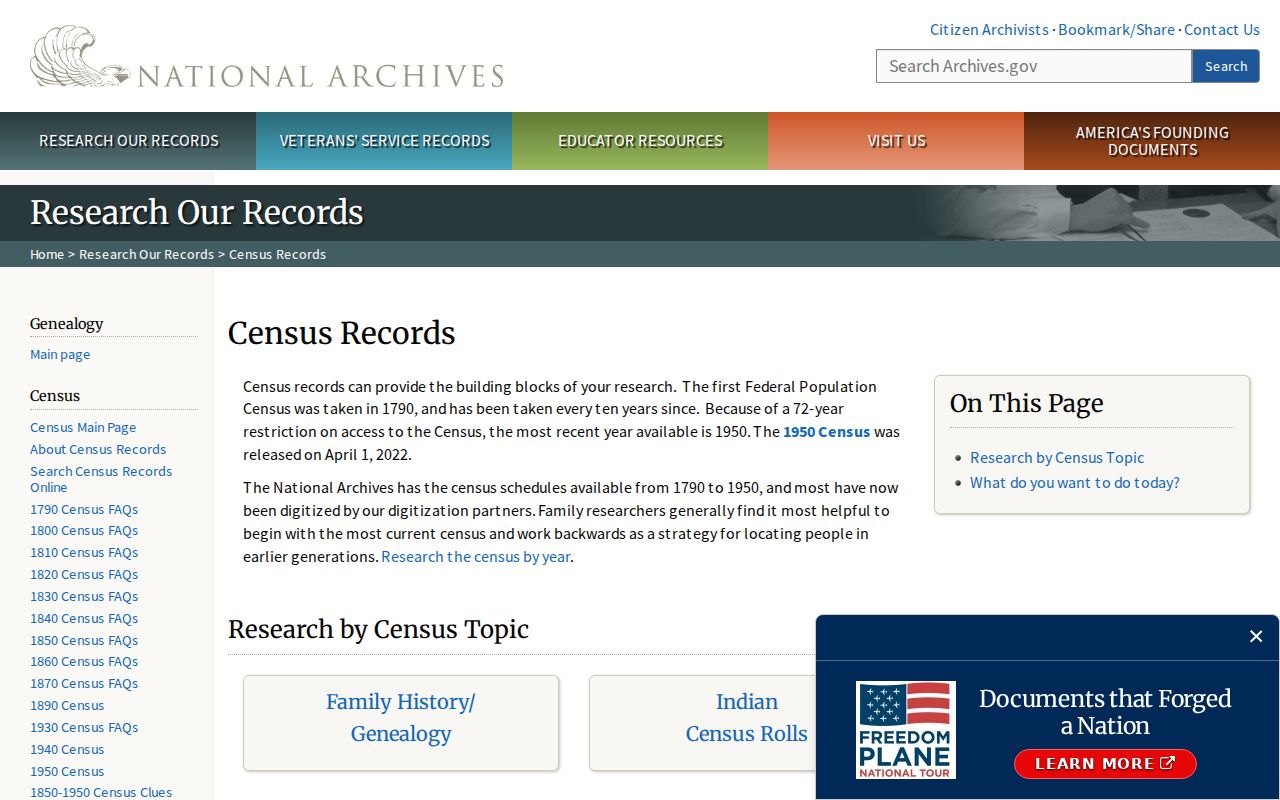
That chain keeps a Huntington Park city directory clue tied to a dated federal record.
Huntington Park Reverse Directory Gaps
A reverse or criss-cross directory asks who is listed at an address in a publication year. The method helps a house history, but the local year run was not verified. No authenticated publisher, inclusive span, or digitized Huntington Park run appeared in official crawlable results. Ask the library reference desk to confirm each reverse section.
Hold the street number and name steady. Copy names, symbols, and cross-references, then compare nearby volumes. A changed number may reflect a move, renamed street, indexing choice, or publication gap. Do not invent an unverified year. For modern parcel work, use the Huntington Park by-street directory rather than rebuilding that chain here.
A reverse section can show nearby entries, but proximity is not proof of kinship. Preserve the page citation, volume title, and abbreviation key, then test any relationship with a census, deed, obituary, or probate record.
Huntington Park's City Directory Boundary Story
Huntington Park's record history has a useful local story. The first incorporation petition included too much territory. A second failed because its boundaries were imperfectly described. After boundary changes, the successful petition won an August 20, 1906 vote by 77-17; certification came ten days later. An early address may therefore sit under a tract, township, or county heading.
The city's official history account connects Rancho San Antonio, subdivision, railway naming, and incorporation. Use it with directory searches, not in place of a volume. Sunrise Tract, La Park, San Antonio Township, and Huntington Park create a practical ladder from older geography to the current name.
This story is a research lead, not an identity shortcut. Keep the address, date, source title, and jurisdiction together. A name in a petition, archive PDF, or city directory still needs a second record.
Fallback Repositories for Huntington Park City Directories
When the local catalog does not expose a run, use a documented fallback chain. Do not describe a repository as holding an authenticated Huntington Park city directory until its catalog or staff response confirms it.
- California State Library California History Room: ask for city and telephone directory coverage, missing years, reverse sections, and a call number.
- California State Archives: check finding aids for state and county material that supplies geographic context.
- FamilySearch catalog: search United States, California, and Los Angeles for directories, land, probate, court, and vital materials. Treat a lead as unverified until the original item is seen.
- National Archives: use NARA for census, naturalization, immigration, and military material, citing the original record.
- LA County Library licensed databases: ask whether newspaper or genealogy products are onsite-only and record the original title, year, and page.
- University Southern California collections: check regional and map material while keeping its scope distinct from a local public-library holding.
FamilySearch and California Historical Society captures failed during research, so neither is a verified local run here. Start with the Huntington Park Library reference channel, then use the State Library, State Archives, NARA, licensed databases, or Southern California university collections.
Cite Huntington Park City Directory Evidence
When a volume is located, record the original title, publisher, year, coverage statement, repository, call number, page, and entry line. Copy the abbreviation key first. If a database supplies the image, cite the original title and year, database, and access date.
Use the directory as one part of a source chain. Pair it with a 1910-1950 census snapshot, county deed, city archive file, obituary, probate material, or later census. A deed can show an owner or transfer, but not occupancy. A directory clue cannot settle identity from a surname alone.
For Spanish-language records, preserve diacritics and both surname orders. Keep maiden and married forms, initials, and alternate street spellings. If a historical result needs a present-day name check, use a separate modern resident-search step and retain the historical citation. The local publisher, year run, reverse run, digitized set, obituary index, and Sanborn sheet years remain open catalog questions.
Note: Reopen linked custodian pages before travel because service locations, access rules, and electronic offerings can change.