
Huntington Park Previous Residents by Era
Match the era before the record type. County land records open the story in 1850. Huntington Park's own series start after incorporation and vary in reach. Census schedules stay public through 1950, while directory and Sanborn coverage still awaits volume-level confirmation.
| Source | Years It Covers | Where Held | What It Shows |
|---|---|---|---|
| County recorded land records | 1850-present; exact electronic grantor-grantee cutoff not stated | Los Angeles County RR/CC Norwalk viewing and copy request | Deeds, liens, maps, notices, named parties, dates |
| Huntington Park municipal records | 1906-present; series-specific | City Archive, Clerk, and Planning | Civic actions, permits, applicants, owners, agents, approvals |
| Federal population schedules | 1910-1950 publicly available | NARA, library partners, licensed databases | Decennial households, relationships, ages, birthplaces, tenure |
| City and reverse directories | Exact local years unverified | Huntington Park Library, California State Library, FamilySearch catalog | Names and address clues between census years |
| LASC probate and civil archive | Chiefly 1910-2004 at the ARC | Los Angeles Superior Court Archives and Records Center | Heirs, estate addresses, petitions, notices, orders |
| Building files and Sanborn maps | Dates vary; map years unverified | City Planning/Building and LOC or library map collections | Project milestones, footprints, uses, materials, old context |
Let the era pick the source. For Huntington Park title work, pair a current address or AIN with the Los Angeles County Assessor Portal and the RR/CC. A known census household pairs well with directories for between-year clues. City permits reveal project history. Probate files and obituaries surface heirs and deaths. Deeds carry title; directories and census schedules carry the listed household. No single source is a complete roster.
Note: A coverage label marks a research boundary, not a promise that every name appears in every volume.
Huntington Park Deed Chain for Past Owners
The Los Angeles County Registrar-Recorder/County Clerk keeps the Huntington Park deed trail. Real-estate records must be viewed at RR/CC offices. There is no free remote grantor-grantee index, though official copies can be ordered online. The county series begins in 1850. The electronic cutoff goes unstated.
At a Huntington Park viewing desk, copy the document number, date, type, grantor, and grantee. Also record the legal description, APN when indexed, and book/page for older filings. Images sometimes add a return address, transfer tax, signatures, and notarization, while protected data may be redacted.
- Start with the AIN, situs, legal description, subdivision, lot, and block.
- Obtain the newest conveyance through RR/CC viewing or copy order. Note who receives and conveys the interest.
- Capture the document number, date, parties, and full legal description. Keep the same land identifiers.
- Search the seller as an earlier grantee, keeping the same lot, block, or legal description.
- Repeat backward. When electronic access stops, use RR/CC terminals, microfilm, and deed books.
For Huntington Park, use the recorder hub, Norwalk viewing, copy requests, phone 800-201-8999 with option 2 for recording and option 3 for post-recording real-estate, plus recorder@rrcc.lacounty.gov. Remember the limit. A deed proves transfer or encumbrance, not every person at an address, and a return mailing address is not proof of residence.
Huntington Park Past Households: Census, Obituaries
Huntington Park census schedules for 1910, 1920, 1930, 1940, and 1950 are open under the 72-year rule. Each one gives a decennial household snapshot. Local city and reverse directory years vary by edition. Treat them as between-census evidence only.
Check the Huntington Park city directory collections through library channels. Then read the title page and key. A criss-cross volume can carry the address while the name section shifts. Pair each result with a census, deed, permit, obituary, probate record, or newspaper.
- Start with a known census household; copy names, relationships, ages, birthplace, and address.
- Check a directory before or after the census year; record spelling, initials, spouse notation, and address.
- Verify title page, publisher, coverage, year, and key. Assume no field until verified.
- Use the reverse section to hold the address steady.
- Treat a disappearance as a question; check death, relocation, name change, or publication gap.
- Grantor / grantee
- The grantor conveys an interest; the grantee receives it.
- Chain of title
- The linked sequence of recorded transfers for one parcel.
- Criss-cross directory
- An address-first directory that can identify a listed household or subscriber.
- Enumeration district
- A census area assigned to an enumerator; it is a search aid, not a parcel boundary.
Names shift across the Huntington Park records. A past household may appear under different spellings, or under a tract name instead of a street address. Keep owners, listed households, and later heirs as separate entries in the residents directory search.
Huntington Park AINs Anchor Old Addresses
Start with an address, never a name. The free Los Angeles County Assessor Portal accepts an address or a ten-digit AIN. It offers no public owner-name search, though. Save the AIN, situs, legal description, map position, use type, assessed values, and effective date. Situs is the physical place. Mailing is for tax notices. The legal description identifies the land itself.
Address trail: address → Assessor Portal → AIN and legal description → newest conveyance → older deed. From there, move on to directory, census, permit, and probate records.
When a modern search fails, try some older names. Rancho San Antonio, Sunrise Tract, La Park, San Antonio Township, and Huntington Park all appear in early records. The Huntington Park street address directory follows the current parcel chain. The city publishes no official renumbering year. So keep the lot and block beside the street number.
Address check. A name match is weak until the legal description, lot or block, and time period line up.
Huntington Park Past Residents and Old Addresses
Older Huntington Park addresses answer to different geography. County deeds predate the city. Rancho San Antonio, Sunrise Tract, La Park, San Antonio Township, and the 1902 Pacific Electric naming story may all surface. The Post Office kept the La Park name until incorporation.
Two petitions failed before the vote of August 20, 1906. It passed 77-17 after boundaries changed. The Huntington Park City Archive searches by category, date, and text. A returned name may belong to an applicant, owner, speaker, or official. So read the record series before assuming residence.
Sanborn sheet years remain unverified. Widen the place terms and compare the legal lot or block. Do not merge two parcels from a missing street match.
Huntington Park Library Directory Research
Huntington Park Library began in 1913 inside City Hall. It moved in 1924 and 1931. Later it gained the Civic Center building dedicated in 1970. Its branch page links the catalog, research databases, and Email a Librarian. Early volumes may sit cataloged as Los Angeles suburban directories.
No official catalog entry confirms a local Polk run, publisher, reverse-directory shelf list, or obituary index. So ask for title, publisher, coverage area, exact year, and reverse-section status. The California State Library's California History Room, FamilySearch, NARA, and library-licensed databases serve as fallback channels.
- Search “Huntington Park (Calif.) - Directories” and “Los Angeles County - Directories.”
- Check telephone directories, yearbooks, and newspapers as companion collections.
- Ask whether the volume is onsite, licensed, on microfilm, or available by request.
Inspect the title page and key before copying any entry. Verify names, spouse or widow notation, address, householder marks, and cross-references. Record the source title and page.
Note: Directory years count as between-census evidence only. They do so until the actual volume, title page, and local coverage are verified.
Huntington Park Permits and Sanborn Clues
Permits add a paper trail of their own. Huntington Park Planning and Building sits at 6550 Miles Avenue, reachable at 323-582-6161. A written request can ask for a permit application, a Building Card, inspection history, or a certificate. It can also cover a subdivision file, variance, or zoning clearance. Approved entitlements stay on file permanently, while other series keep dates of their own.
A 2026 notice moves City Hall services into modular buildings reached via Zoe Avenue. Call ahead before you travel. The City Archive allows free searches by category, date, and text. Applications may list an applicant, owner, agent, contractor, or project address. Those roles do not prove residency.
For older context, the Library of Congress Sanborn collection shows building footprints and materials. It also records building use and vanished street details. Sheet years for Huntington Park vary, so confirm coverage first. Then compare any map against the legal lot and the deed. Check the directory address too before trusting it.
When Huntington Park Deed Searches Stop
When a remote deed trail in Huntington Park goes cold, the recorder's office still has answers. RR/CC public terminals, microfilm, deed books, and official copy ordering fill the gap. Call 800-201-8999, option 2 for recording or option 3 for post-recording real estate, or email recorder@rrcc.lacounty.gov. For a county-held gap, take the CPRA route. Cite a series, dates, department, and an address or project number.
LASC's Archives and Records Center sits at 222 N. Hill Street, Room 212, Los Angeles, reachable at 213-830-0198, Monday through Friday, 8:30 to 4:30. An appointment helps staff stage files in advance. Courthouse terminals give free electronic viewing; older paper, microfilm, or image files may need retrieval. The archive chiefly holds 1910-2004 material.
Log the last document number, the legal description, the access channel, and the next custodian. Do it before stopping. That habit keeps an unknown cutoff distinct from a true absence of records.
Note: Record the custodian's actual search result, not an assumed electronic cutoff. Then move the search to a counter or archive.
Huntington Park Probate and Obituary Trails
Huntington Park probate petitions, notices, and orders can reveal heirs. They also list estate representatives. Addresses and estate action appear in them too. The Archives and Records Center is at 222 N. Hill Street, Room 212, Los Angeles, 213-830-0198, Monday through Friday, 8:30 to 4:30. An appointment helps staff stage files. Terminals, paper, microfilm, image, and copy channels vary by file.
Case-number access can start online, while paid name and document searches vary by case type. Probate coverage at the archive runs chiefly from 1910 to 2004. Sealed records stay restricted. Newspapers can close a trail. So can cemetery records and death records. But an obituary should be checked against an official or contemporaneous source before it settles a street directory question.
The Los Angeles Superior Court media archive is an official court endpoint. It carries court information and announcements. It is not an address index for past residents.
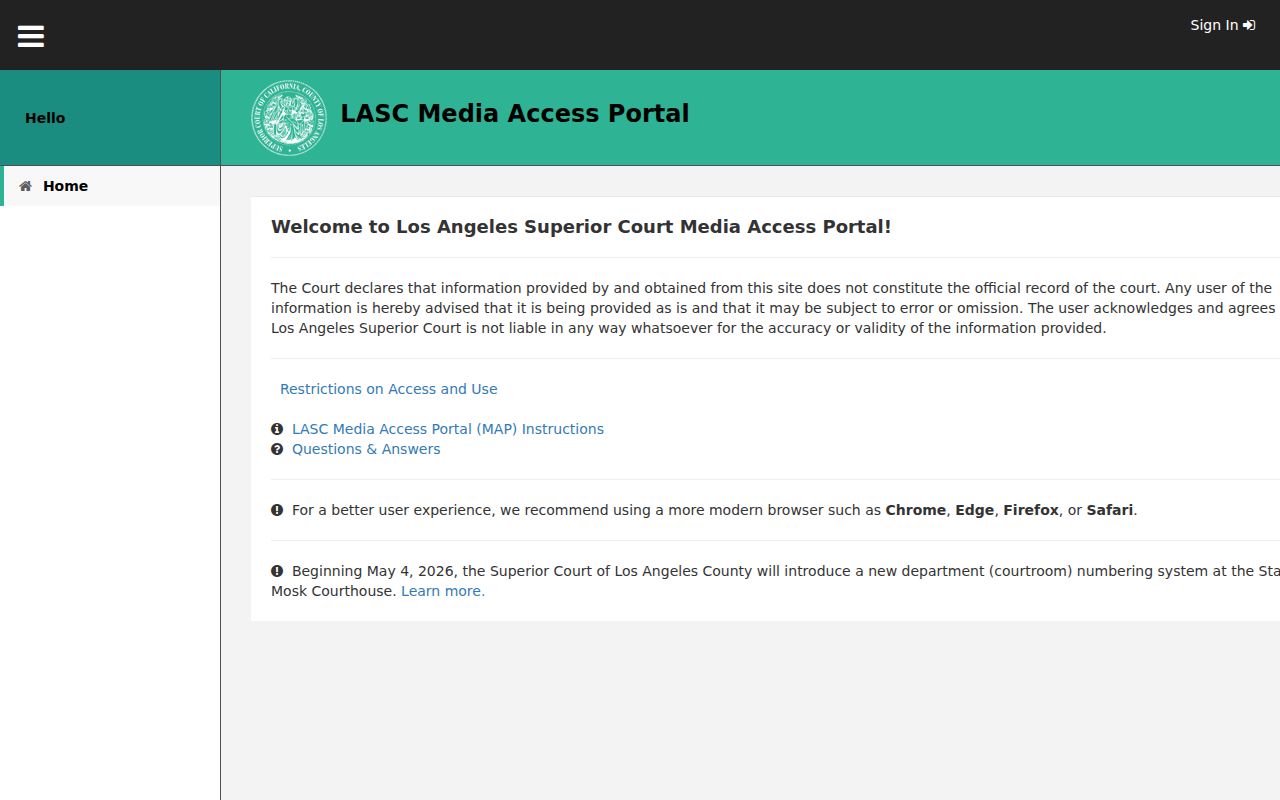
The media archive can point to court-system notices when an older file path changes. It cannot prove occupancy at a Huntington Park parcel. Match a probate name to the legal parcel, the ownership date, and a directory or census entry. Heirs sometimes inherit without ever living there.
What Huntington Park Previous Residents Records Show
A family historian can pair a 1950 census household with a directory address, a deed owner, a city permit, and a probate file. Just do not treat every owner as an occupant. Records confirm a party role, a date, a parcel, a case event, or a listed household. That is their limit. They cannot list everyone at a home. The Los Angeles County Sheriff's Inmate Information Center is an official custody-status endpoint for its own record category.
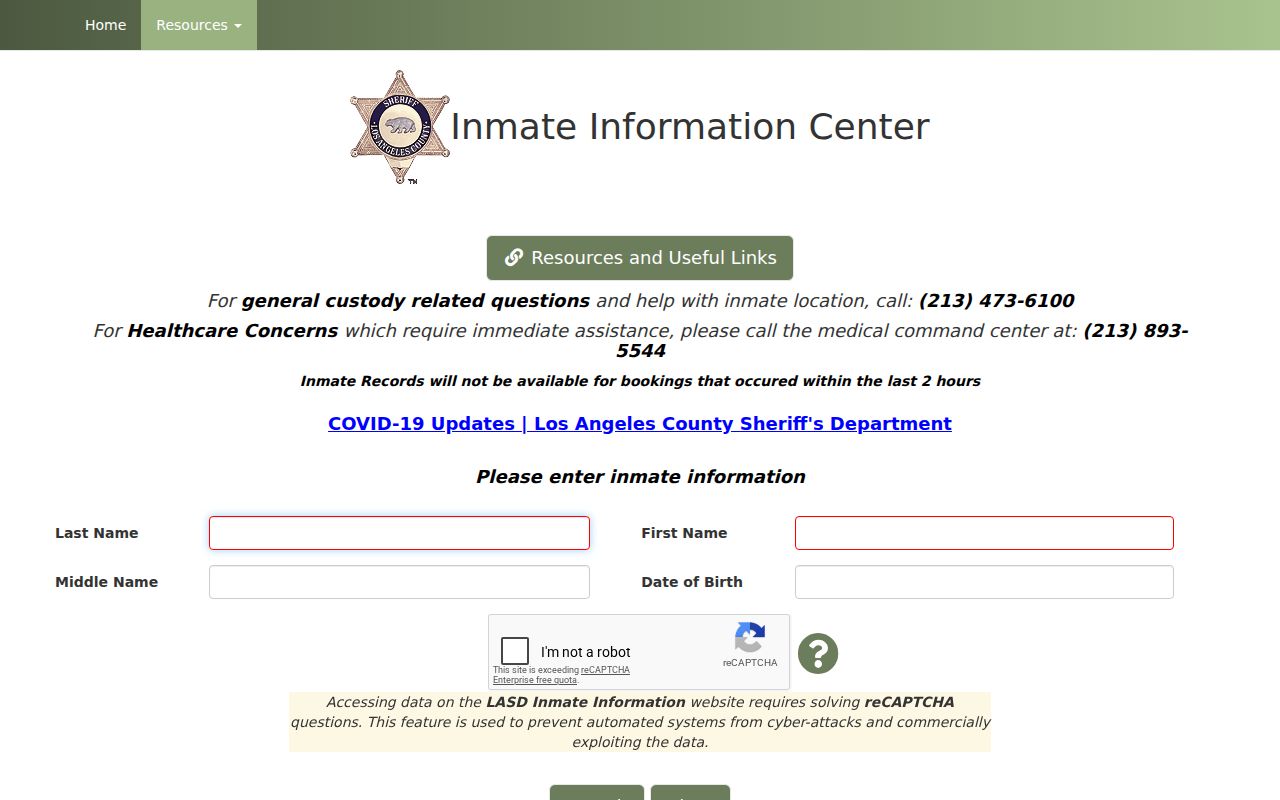
A booking or custody result is time-bound law-enforcement data. It shows no Huntington Park address. The state counterpart, California's CIRIS search, serves its own name and CDCR-number purpose.
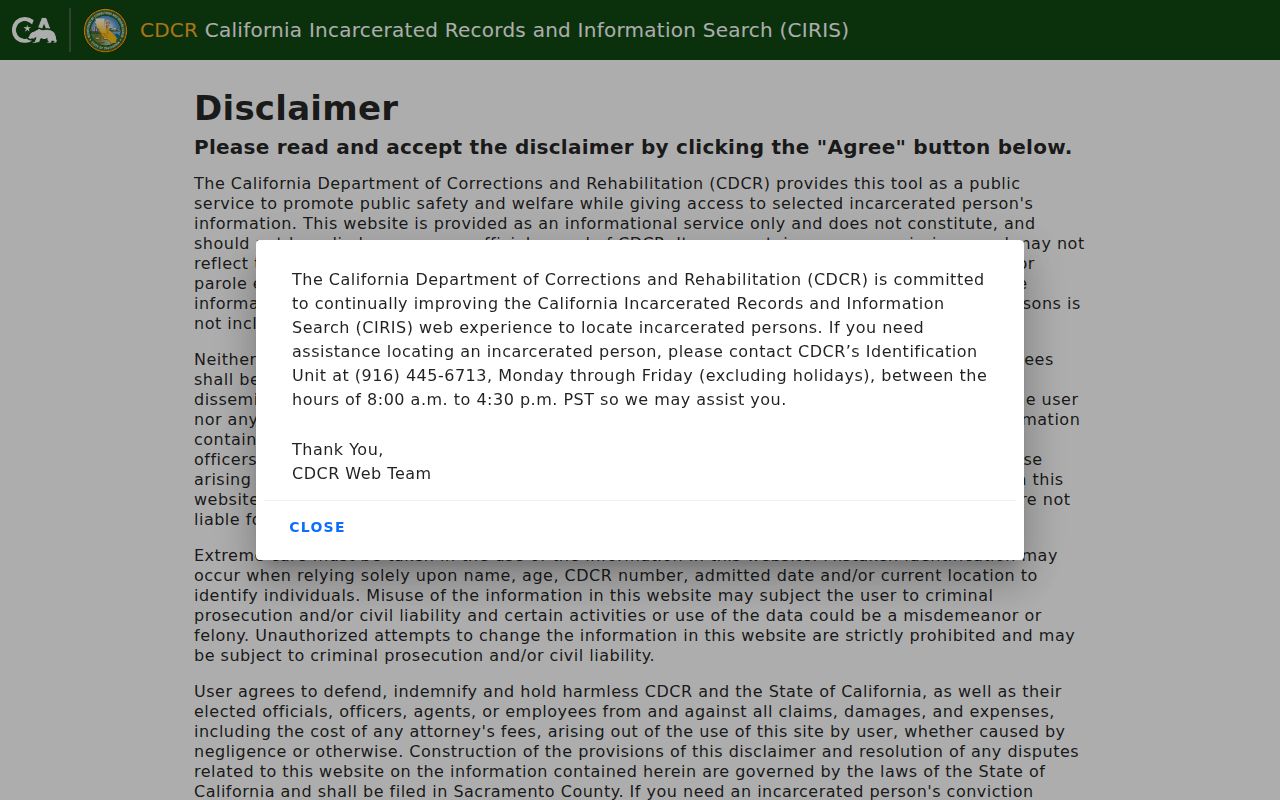
CIRIS is not a deed or directory result. It proves no residence, membership, or parcel tie. The California Megan's Law registry is another official endpoint, carrying statutory warnings and its own disclosure rules.
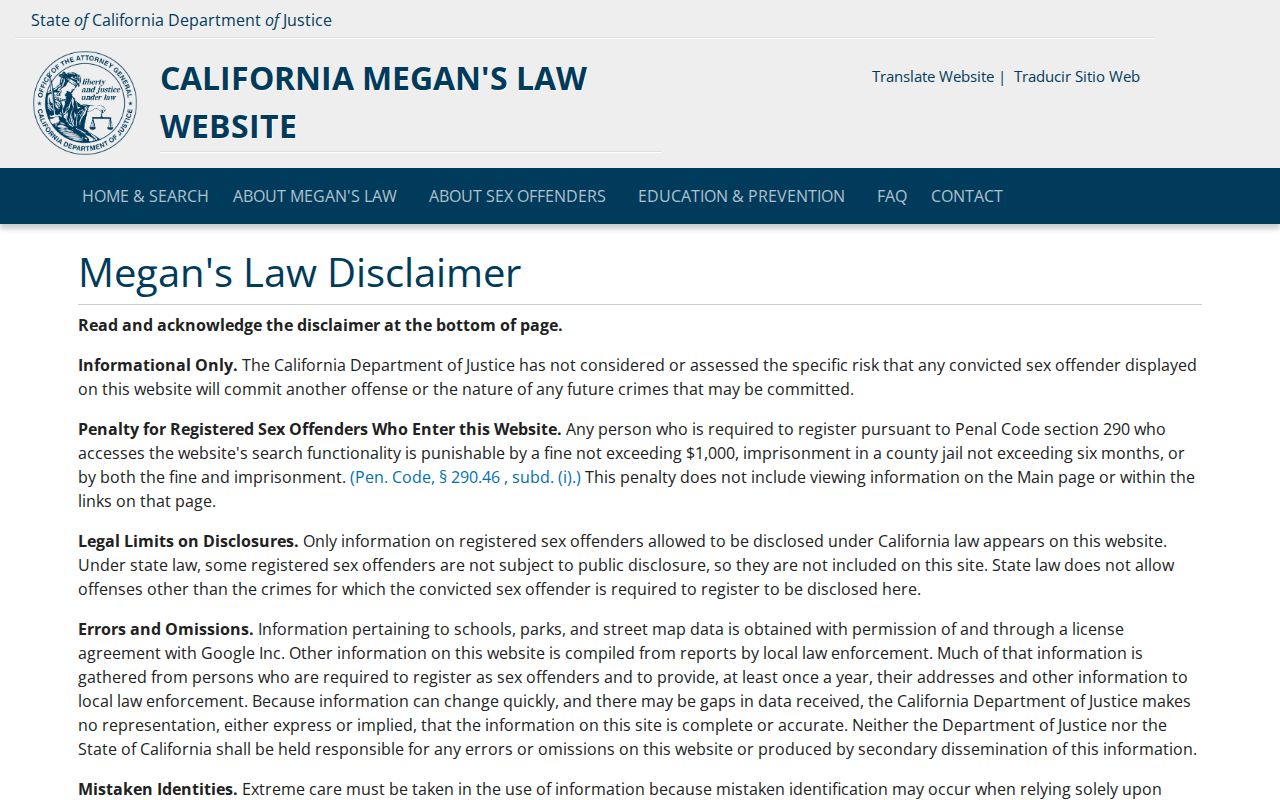
A registry disclosure must stay within its legal context. It is no deed, census entry, or occupancy proof.
Lawful personal use. Previous residents research in Huntington Park belongs to house history, family history, heir work, and civic study. Do not use names or addresses to stalk, harass, threaten, or track a living person.